본문
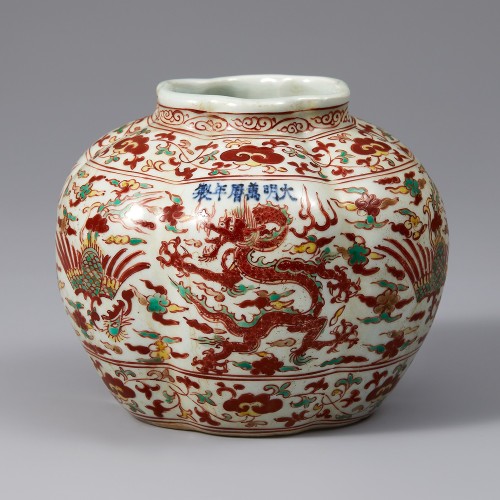
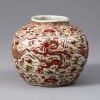
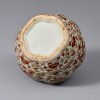
명나라 만력 연간(1573~1620)에 제작된 용봉문(龍鳳紋) 오채(五彩) 항아리입니다. 짧고 두꺼운 구연부와 둥글게 팽창한 몸체, 안정된 저부를 지녔습니다. 표면에는 수직 방향으로 반복된 골이 형성되어 기면에 입체감이 느껴집니다. 전면에는 백유를 두껍게 시유한 뒤 적색, 녹색, 황색 세 가지 안료를 사용한 오채 기법으로 문양을 그렸습니다.
몸체 중앙에는 용과 봉황 문양을 번갈아 시문하였습니다. 용의 네 발에는 각각 다섯 개의 발톱이 표현되어 황제를 상징하는 오조룡(五爪龍)임을 알 수 있습니다. 황제와 황실을 상징하는 용봉문은 주로 황실을 위해 제작되는 도자에만 시문되었습니다. 용과 봉황 주변에는 상서로운 구름 문양이 배경을 채우고 있습니다. 상하단에는 당초문 띠를 화려하게 시문하였습니다.
어깨에는 청화로 '大明萬曆年製(대명만력년제)'라는 관지가 시문되어 있어 제작 시기를 만력 연간으로 추정할 수 있습니다. 만력 연간에는 홍녹채(紅綠彩)나 오채 기법을 활용한 채색자기 제작이 발전하여, 이전 시기보다 안료의 발색이 더욱 진하고 선명해집니다. 이렇듯 관지와 시문 기법으로 보아 이 유물은 만력 연간 황실과 밀접한 관련이 있는 것으로 추정됩니다.
━━━━━
龙凤纹五彩罐制作于明代万历年间(1573~1620年)。器物口沿短而厚,腹部圆润鼓胀,底部稳重。器表纵向起棱,形成有节奏的凹凸纹理,使器面呈现出鲜明的立体效果。通体施以厚润的白釉,其上采用五彩工艺,以红、绿、黄三色颜料绘制纹饰。
腹部中央交替绘饰龙纹与凤纹,龙为五爪龙,象征皇权,龙凤纹作为皇帝与皇室的象征,通常只用于专为皇室烧造的瓷器之上。龙凤周围环绕祥云纹,寓意吉祥祥瑞;器物上下缘饰以繁缛华丽的缠枝纹带。
肩部以青花书写“大明萬曆年製”款识,由此可判定其制作年代为万历时期。万历年间,红绿彩及五彩瓷工艺高度料发色浓艳、层次分明,较前代更为成熟。综合款识与纹饰技法判断,此件龙凤纹罐应为与明代皇室密切相关的重要瓷器。
This wucai (five-color) jar, decorated with dragon and phoenix designs, was produced during the Wanli period (1573–1620) of the Ming Dynasty. It features a short, thick neck, a globular body, and a sturdy base. The surface is vertically lobed, creating a distinct three-dimensional effect. Coated in a thick white glaze, the jar is decorated using the wucai technique, primarily utilizing red, green, and yellow enamels.
The main body displays alternating dragons and phoenixes. Notably, the dragons are depicted with five claws on each foot, identifying them as "Five-Clawed Dragons," a symbol of the Emperor. The dragon and phoenix motif, representing the Emperor and the Imperial household, was reserved primarily for ceramics produced for the Imperial Court. The background is filled with auspicious clouds, while the upper and lower rims are adorned with vibrant bands of floral scrolls.
The shoulder bears the mark "Da Ming Wan Li Nian Zhi" (Made in the Wanli Reign of the Great Ming) inscribed in underglaze blue, dating the piece to the Wanli era. During this period, the production of polychrome wares, such as those using red-and-green enamels or the wucai technique, flourished, resulting in more intense and vibrant colors than in previous periods. Based on the inscription and decorative style, this artifact is closely associated with the Imperial Court of the Wanli period.